Understanding Stroke: Symptoms, Prevention, and Timely Action
Stroke Education | Published on September 15, 2024
Knowledge is power. Learn how to recognize, prevent, and respond to a stroke with our comprehensive guide.
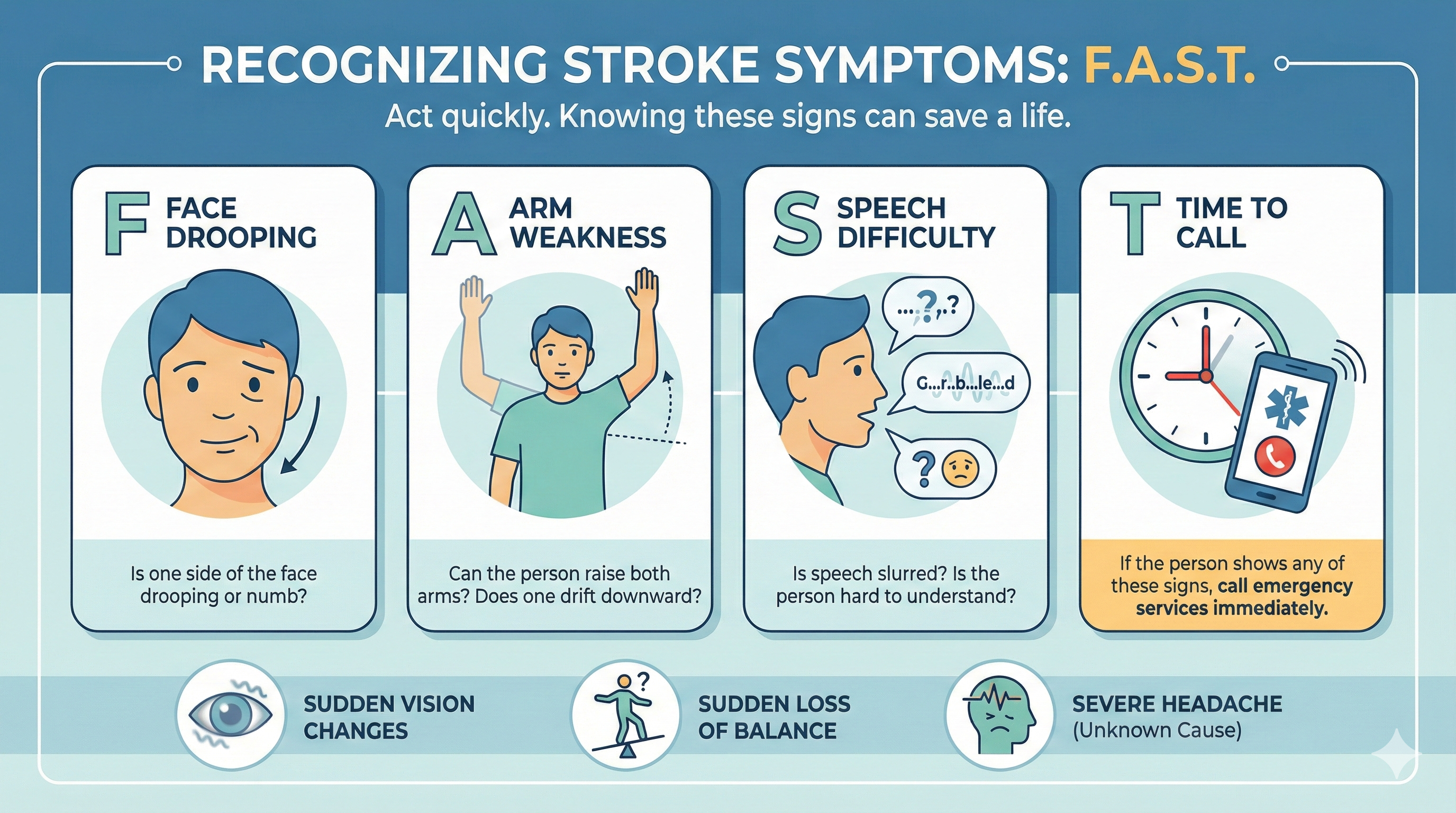
Recognizing Stroke Symptoms: F.A.S.T.
Recognizing the signs of a stroke quickly is crucial. Remember the acronym F.A.S.T.:
- F - Face Drooping: Does one side of the face droop or is it numb? Ask the person to smile. Is the smile uneven?
- A - Arm Weakness: Is one arm weak or numb? Ask the person to raise both arms. Does one arm drift downward?
- S - Speech Difficulty: Is speech slurred? Is the person unable to speak or hard to understand? Ask them to repeat a simple sentence.
- T - Time to call for help: If someone shows any of these symptoms, even if the symptoms go away, call emergency services immediately. Time is critical.
Other symptoms can include: Sudden numbness or weakness of the leg, sudden confusion or trouble understanding, sudden trouble seeing in one or both eyes, sudden trouble walking, dizziness, loss of balance or coordination, or a sudden severe headache with no known cause.
Risk Factors and Prevention
While some risk factors for stroke cannot be changed (like age, family history, and race), many can be managed through lifestyle changes and medical intervention. Understanding and addressing these risk factors is key to prevention.
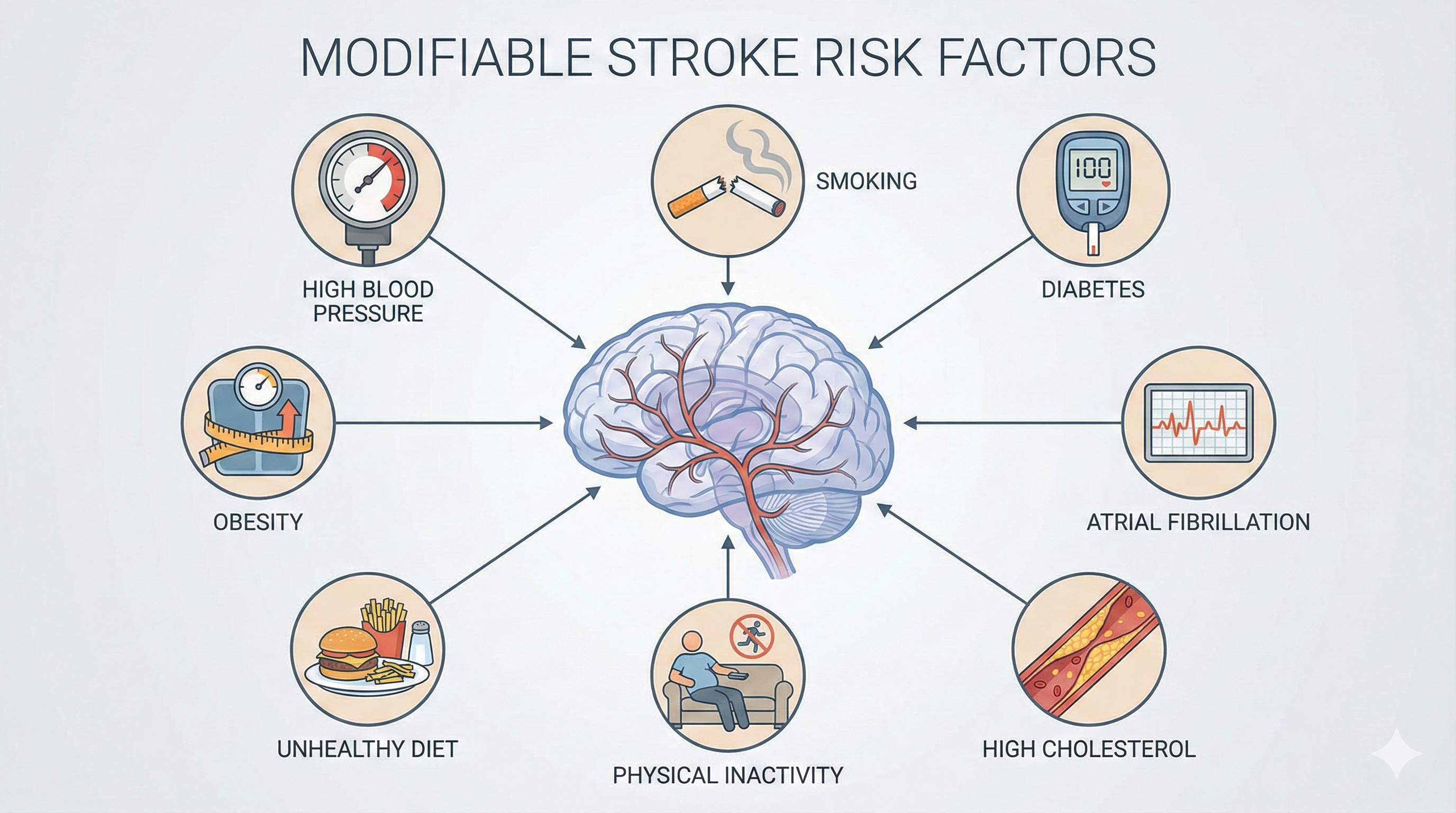
Key Modifiable Risk Factors:
- High Blood Pressure (Hypertension): The leading cause of stroke. Regular monitoring and management are essential.
- Smoking: Damages blood vessels and increases clot formation. Quitting smoking significantly reduces risk.
- Diabetes: Increases stroke risk. Good blood sugar control is important.
- Atrial Fibrillation (AFib): An irregular heartbeat that can cause clots to form in the heart.
- High Cholesterol: Can lead to plaque buildup in arteries, narrowing them.
- Physical Inactivity: Regular exercise helps manage weight, blood pressure, and cholesterol.
- Unhealthy Diet: Diets high in saturated fat, trans fat, cholesterol, and sodium increase risk.
- Obesity: Linked to high blood pressure, diabetes, and heart disease.
Prevention Strategies:
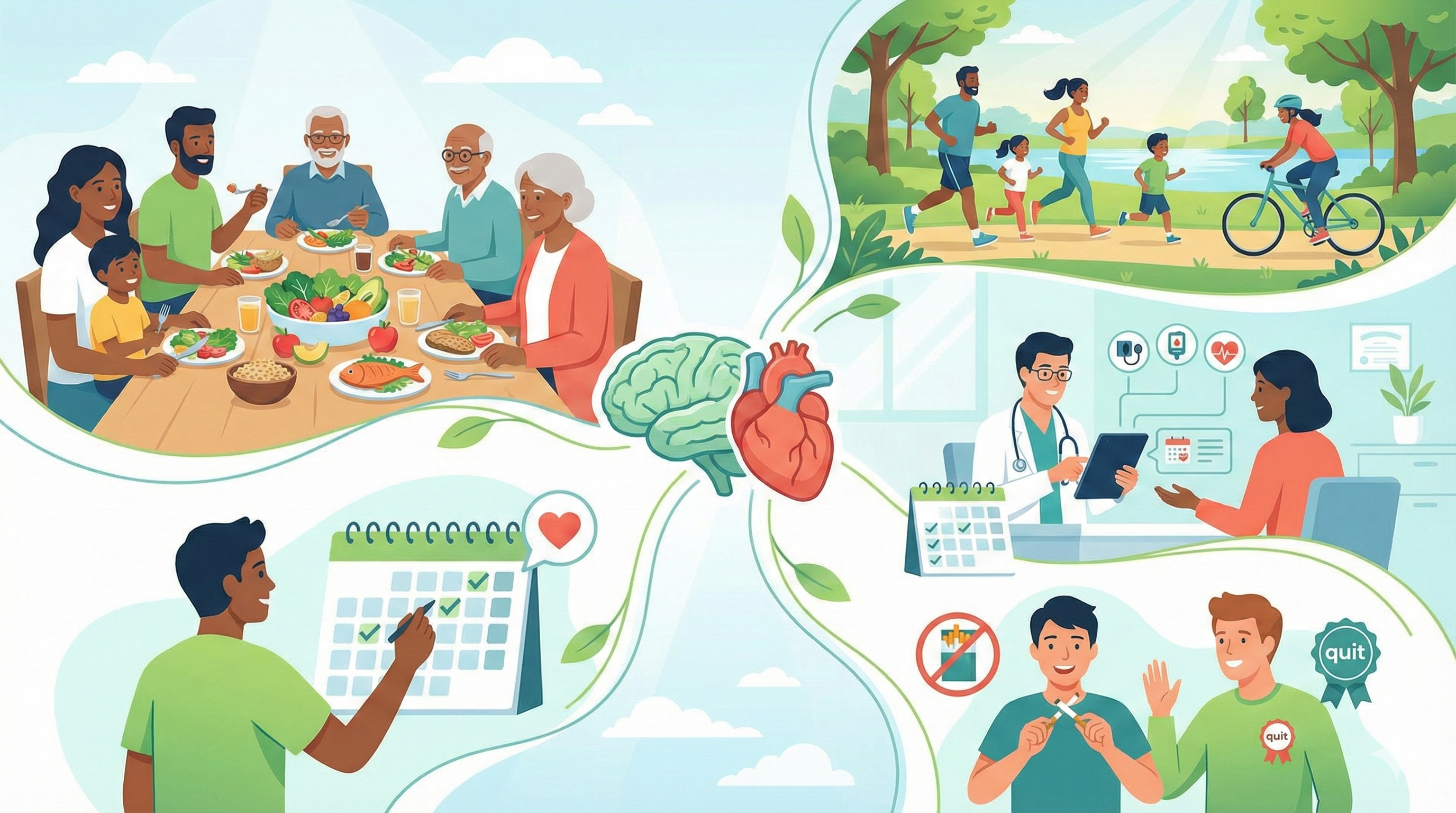
- Eat a healthy, balanced diet rich in fruits, vegetables, and whole grains. Limit processed foods, salt, and unhealthy fats.
- Maintain a healthy weight.
- Engage in regular physical activity (at least 150 minutes of moderate-intensity aerobic exercise per week).
- Don't smoke. If you do, seek help to quit.
- Limit alcohol consumption.
- Manage underlying medical conditions like high blood pressure, diabetes, and high cholesterol with your doctor.
- Have regular medical check-ups.
The Importance of Timely Action
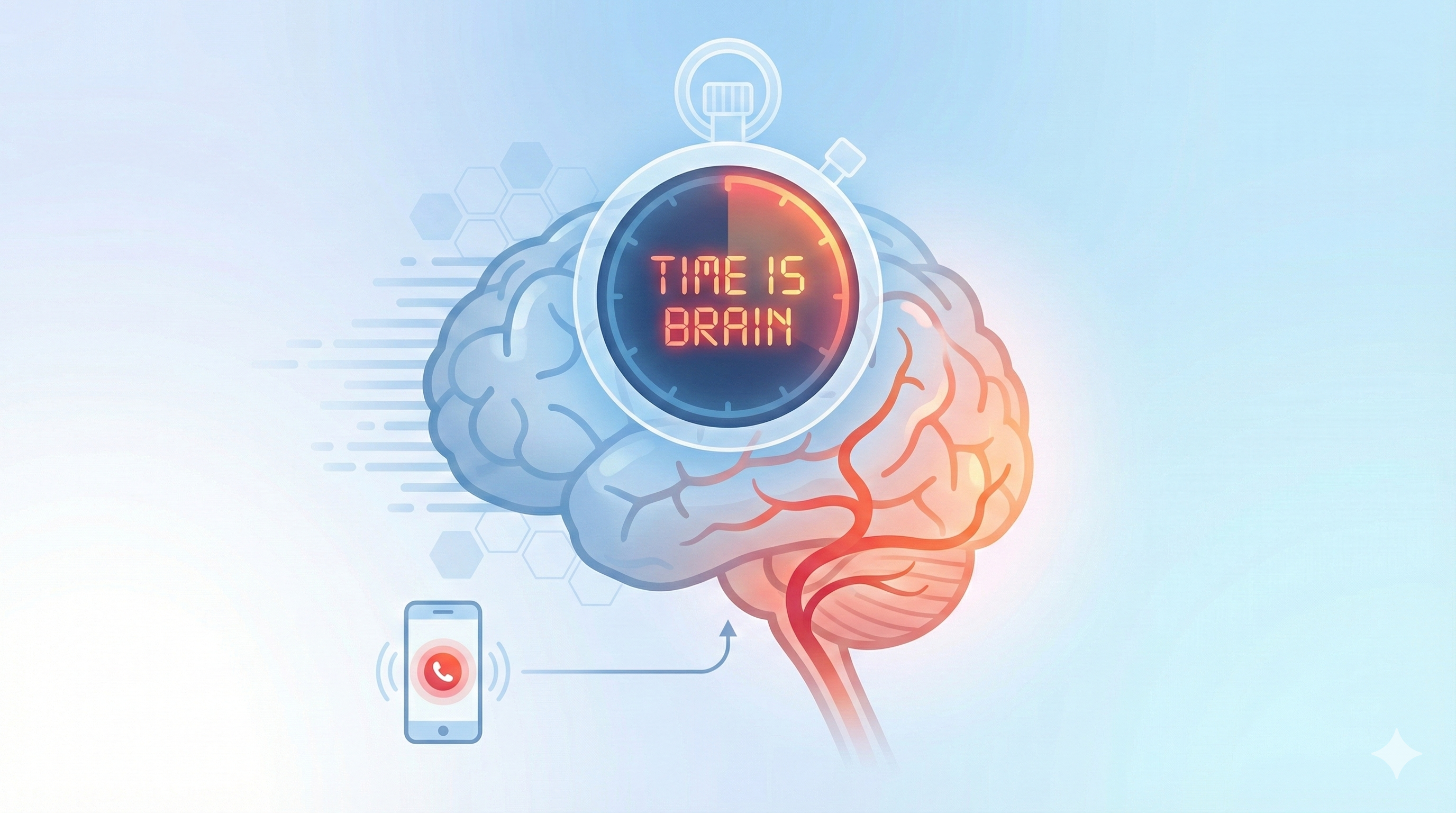
When a stroke occurs, "time is brain." Every minute that blood flow to the brain is blocked, millions of brain cells die. Prompt medical treatment can significantly reduce brain damage and improve the chances of recovery.
Do not wait to see if symptoms improve or disappear. If you suspect someone is having a stroke, call emergency medical services immediately. Note the time when symptoms first appeared, as this information is crucial for treatment decisions.
Emergency treatments, such as clot-busting drugs (thrombolytics) or mechanical thrombectomy (clot removal), are most effective when administered quickly after stroke onset. The sooner treatment begins, the better the outcome.