Information, advice, and resources for those caring for a stroke survivor. We are here to support you in your vital role.
Support for Carers: A Guide to Navigating Care After Stroke
Carer Support | Published on August 10, 2024

Understanding Your Role as a Carer
Being a carer for someone who has had a stroke is a significant role that can encompass a wide range of responsibilities. These can vary greatly depending on the severity of the stroke and the survivor's specific needs.
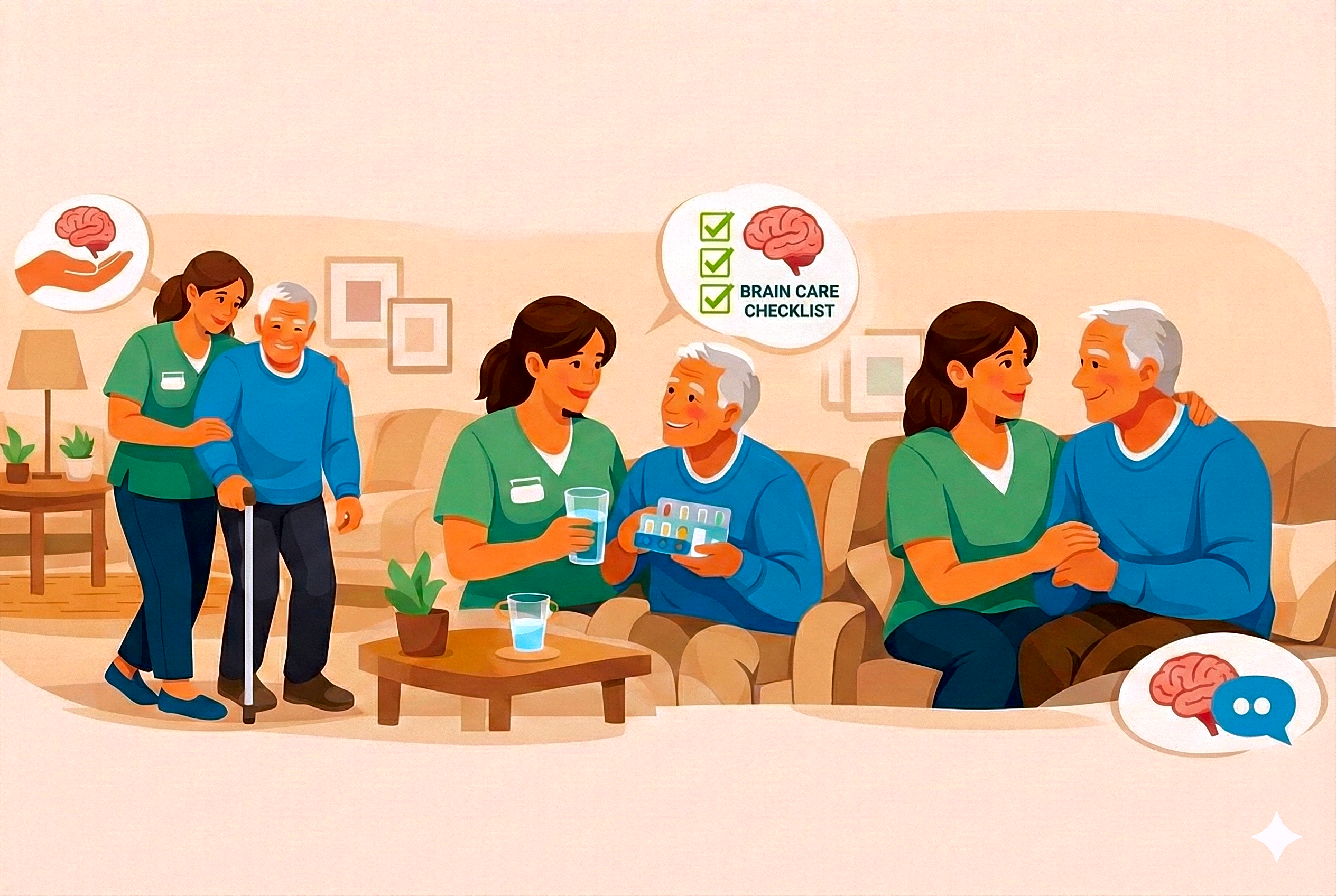
You might find yourself assisting with daily activities such as personal care, mobility, and medication management. Emotional support, encouragement, and helping the survivor navigate their recovery journey are also crucial aspects of caring.
It's important to recognize the value of your contribution and to understand that your needs are important too.
Practical Tips for Daily Care
Here are some practical tips that may help you in providing care:
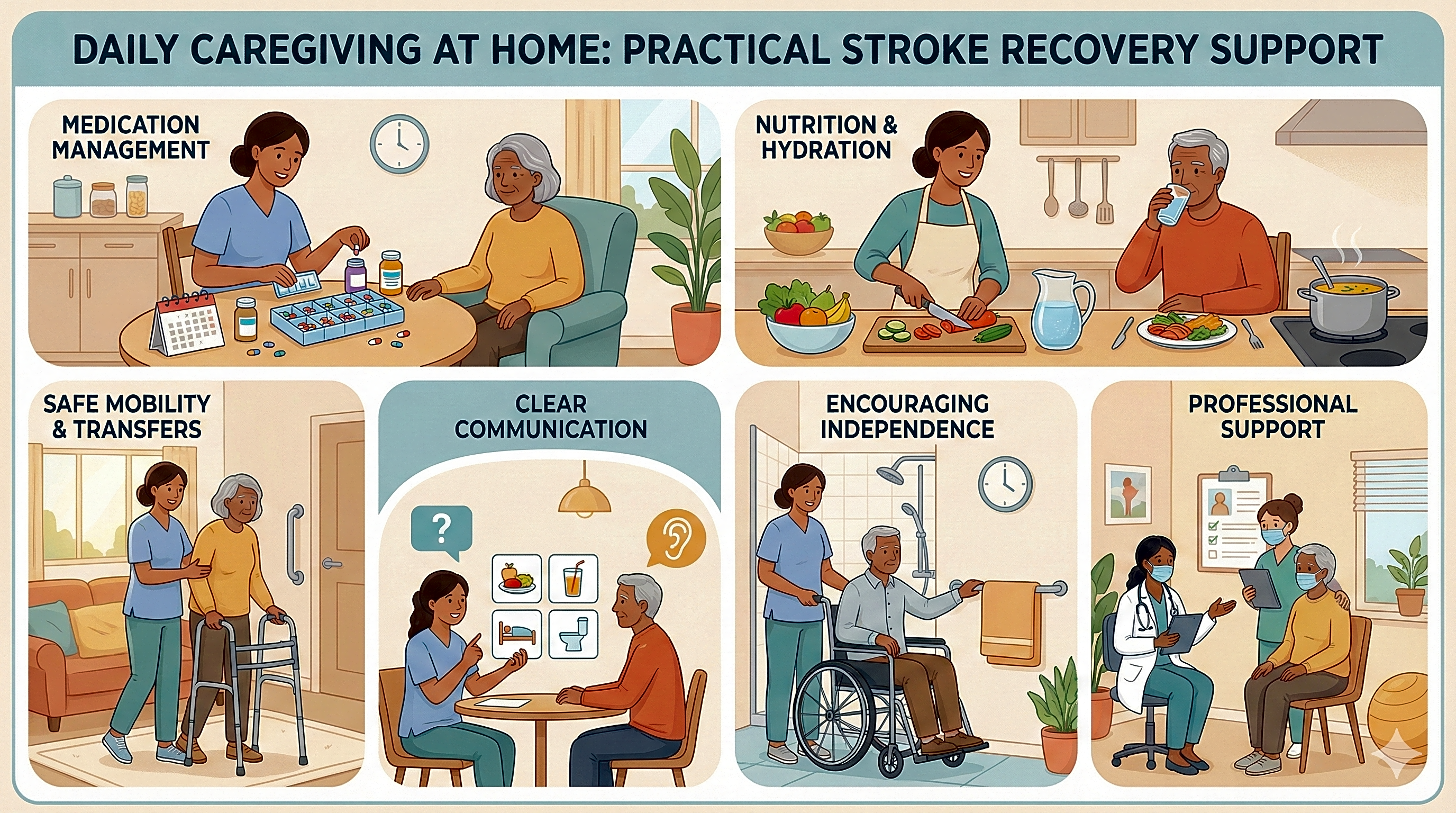
- Medication Management: Keep track of medications, dosages, and schedules. Use pill organizers or reminders if helpful.
- Assisting with Mobility: Learn safe techniques for helping with transfers and movement. Ensure the home environment is free of hazards.
- Communication Strategies: Be patient and use clear, simple language. Explore communication aids if speech is affected.
- Nutrition and Hydration: Ensure the stroke survivor is receiving a balanced diet and adequate fluids, adapting to any swallowing difficulties.
- Encouraging Independence: Support the survivor in doing tasks for themselves where possible, promoting their autonomy and confidence.
- Attend Appointments: Help coordinate and attend medical appointments, taking notes and asking questions.
Caring for Yourself: Emotional & Physical Well-being
Your well-being is just as important as the person you are caring for. It's essential to take steps to look after your own emotional and physical health to avoid burnout.
- Take Regular Breaks: Step away from caring duties to rest and recharge, even if it's for short periods.
- Stay Connected: Maintain social connections with friends and family. Don't hesitate to talk about your experiences.
- Ask for Help: You don't have to do everything alone. Reach out to other family members, friends, or support services.
- Maintain Your Health: Try to eat well, get enough sleep, and engage in physical activity. Attend your own medical appointments.
- Find Healthy Coping Mechanisms: Explore stress-management techniques like mindfulness, hobbies, or exercise.

Finding Resources & Support Networks
Stroke and Education Society is committed to supporting carers. We provide access to:
- Information and educational materials about stroke and caregiving.
- Connections to local support groups where you can share experiences and learn from others.
- Guidance on navigating healthcare services.
Don't hesitate to reach out. Connecting with others who understand can make a significant difference.
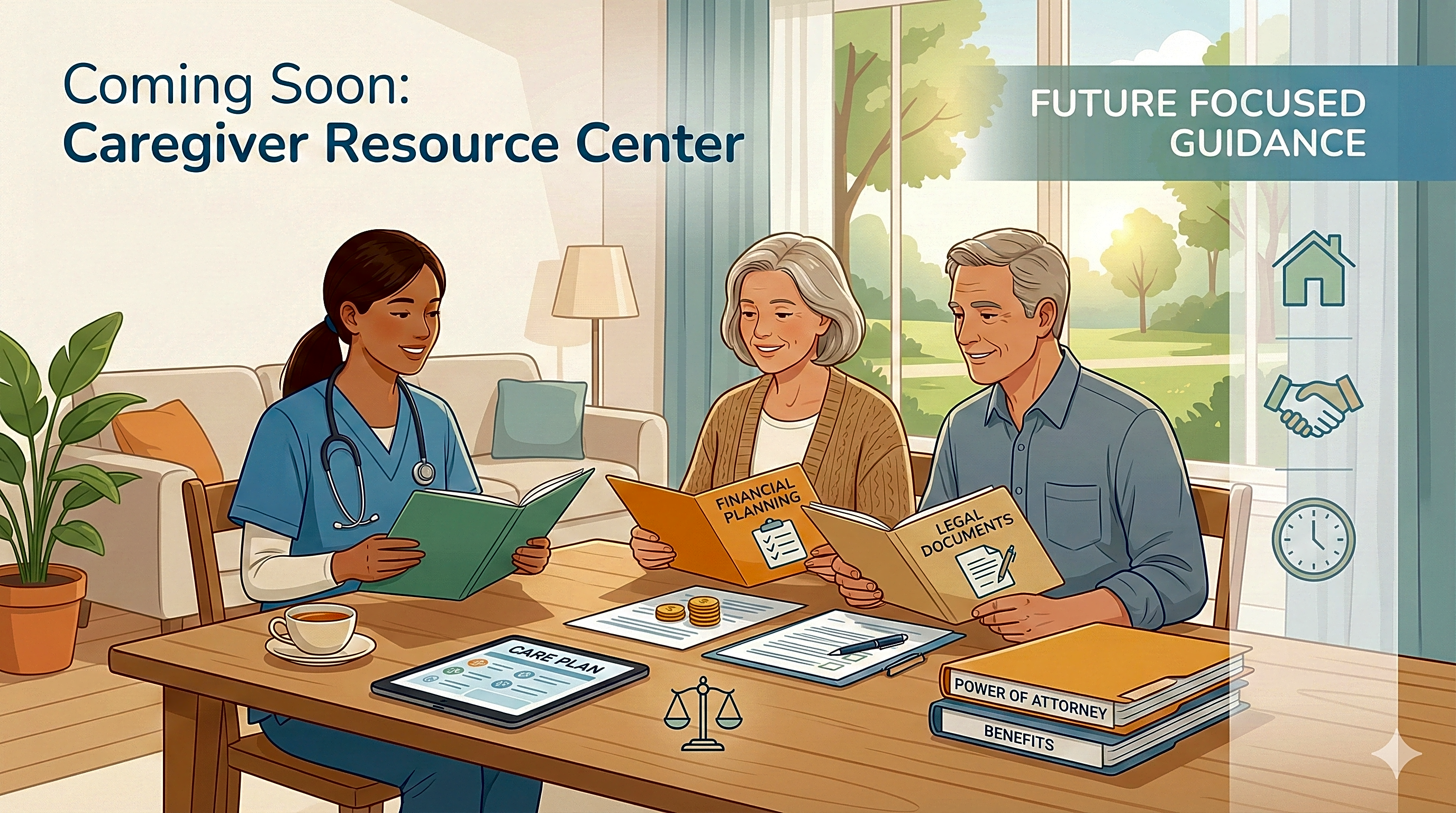
Navigating Financial and Legal Matters (Information Coming Soon)
We understand that caring can also bring financial and legal questions. This section will soon provide information on:
- Available financial assistance or benefits for carers.
- Understanding legal rights and power of attorney.
- Resources for planning future care.
Please check back for updates, or contact us for any immediate queries.