
Aphasia is a common yet challenging consequence of stroke, affecting a person's ability to communicate. Learn about its types, impact, and strategies for support and recovery.
Understanding Aphasia: Communication Challenges After Stroke
Stroke Education | Published on July 20, 2024
What is Aphasia?
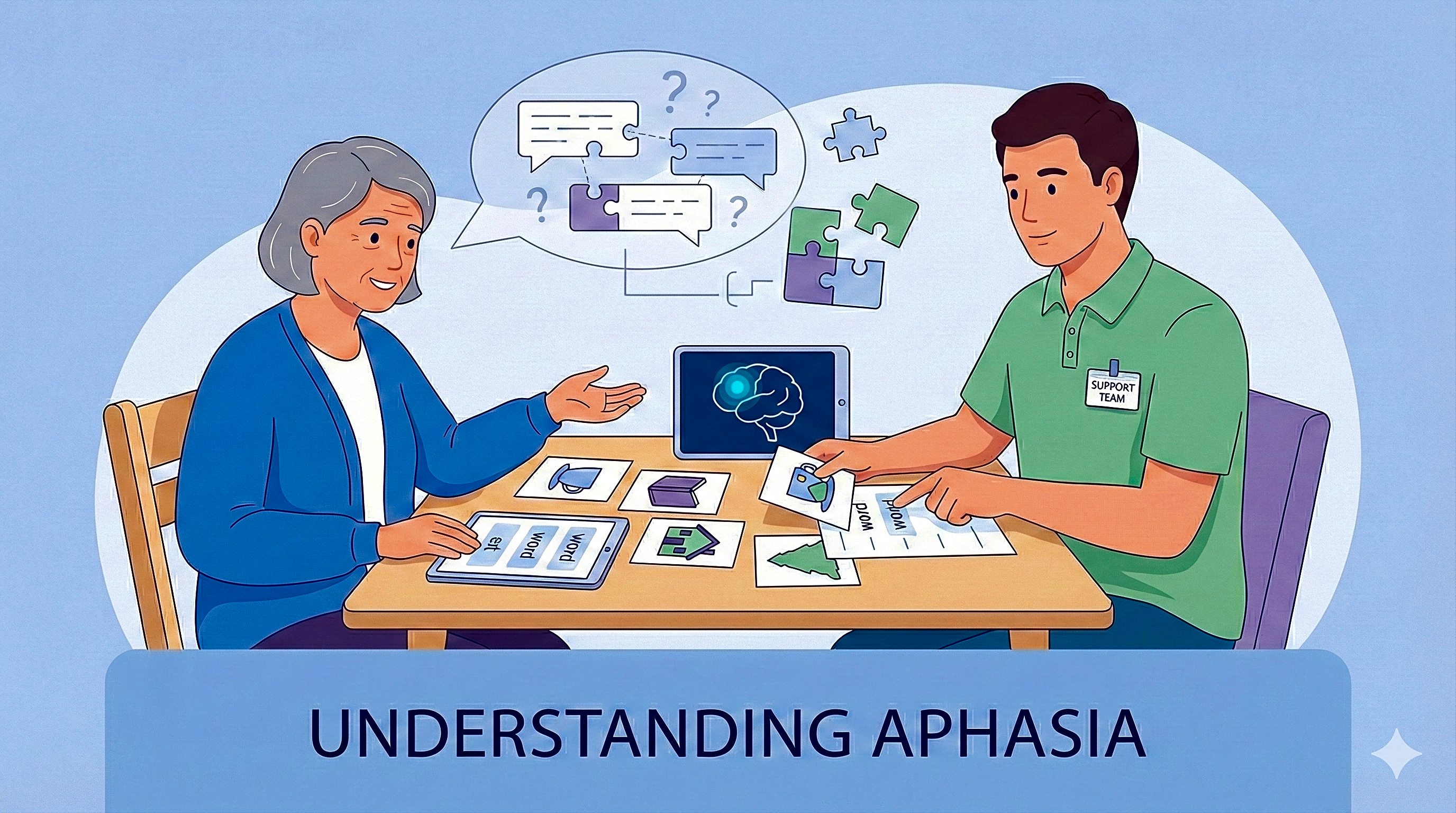
Aphasia is a communication disorder that results from damage to the parts of the brain that contain language (typically in the left half of the brain). It can cause difficulties in speaking, listening, reading, and writing, but it does not affect intelligence.
Stroke is a leading cause of aphasia. When a stroke occurs, it can disrupt blood flow to the brain, potentially damaging these vital language centers.
Common Types of Aphasia
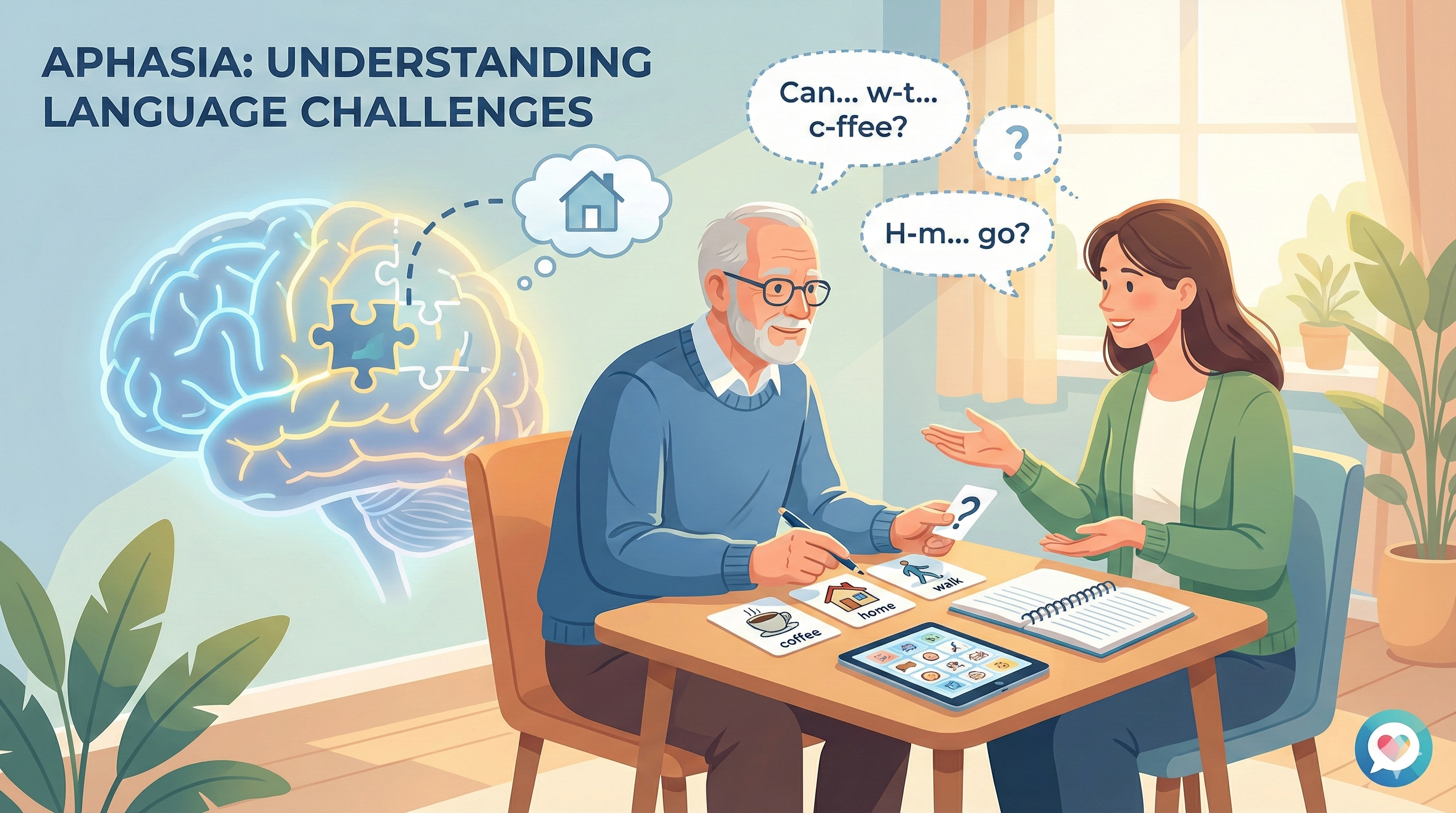
Aphasia can manifest in different ways, depending on the area and extent of brain damage. Some common types include:
- Expressive Aphasia (Broca's Aphasia): Individuals may understand language well but have difficulty producing speech. They might speak in short, meaningful phrases but omit small words like "is" or "the."
- Receptive Aphasia (Wernicke's Aphasia): Individuals may have difficulty understanding spoken or written language. They might speak in long, fluent sentences that don't make sense or contain incorrect or unrecognizable words.
- Global Aphasia: This is the most severe form, resulting from extensive damage to the brain's language networks. Individuals have severe difficulties with both expressing and understanding language.
- Anomic Aphasia: Individuals have persistent difficulty with word-finding. They can often understand speech and speak fluently but struggle to find the specific words they want to use.
Impact of Aphasia on Daily Life
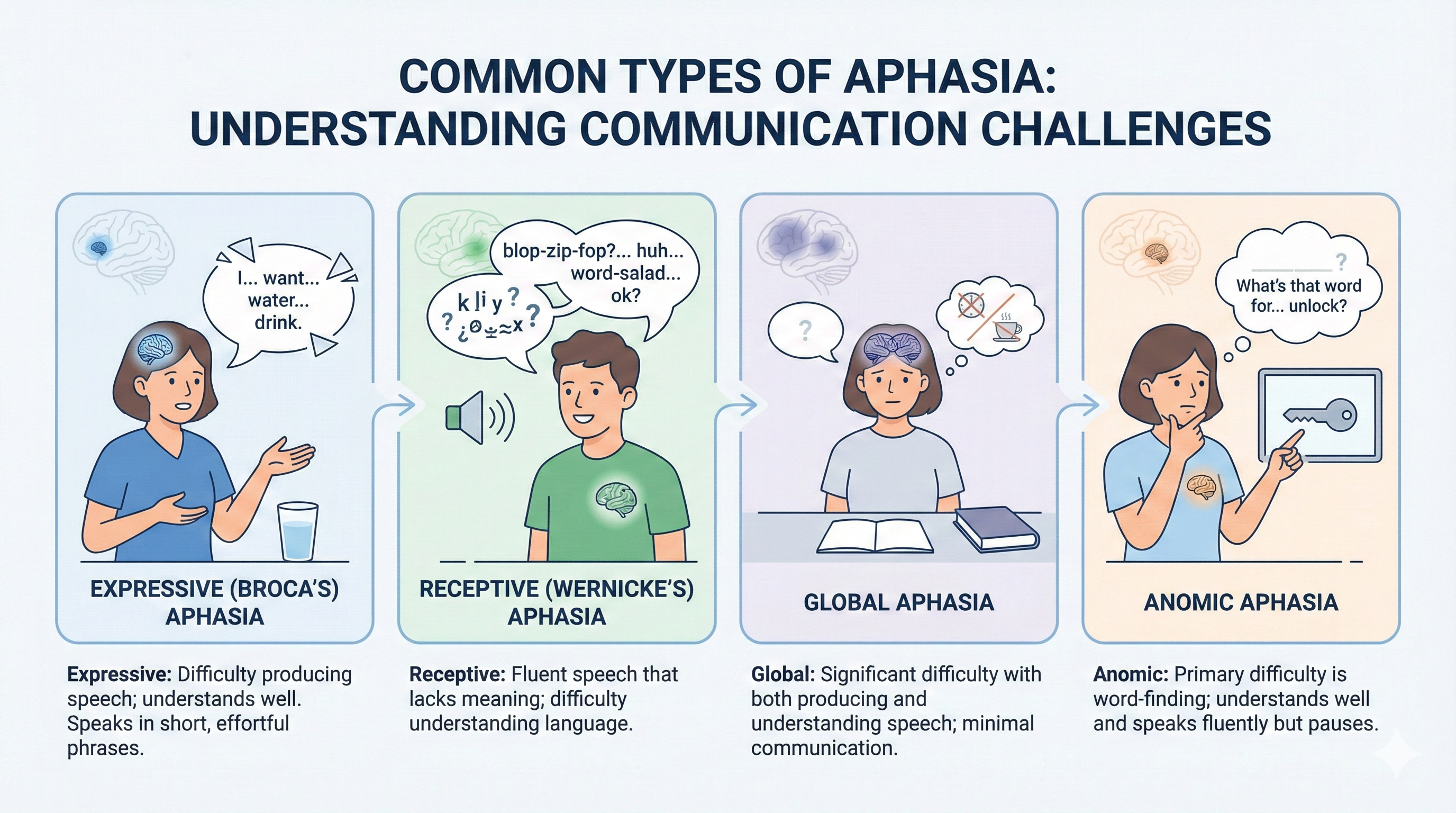
Aphasia can profoundly impact a person's daily life, leading to challenges in:
- Communicating needs, thoughts, and feelings.
- Participating in conversations and social activities, potentially leading to isolation.
- Maintaining relationships with family and friends.
- Returning to work or engaging in hobbies.
- Understanding medical information or instructions.
Frustration, anxiety, and depression are common emotional responses. Patience, understanding, and support from loved ones are crucial.
Communication Strategies
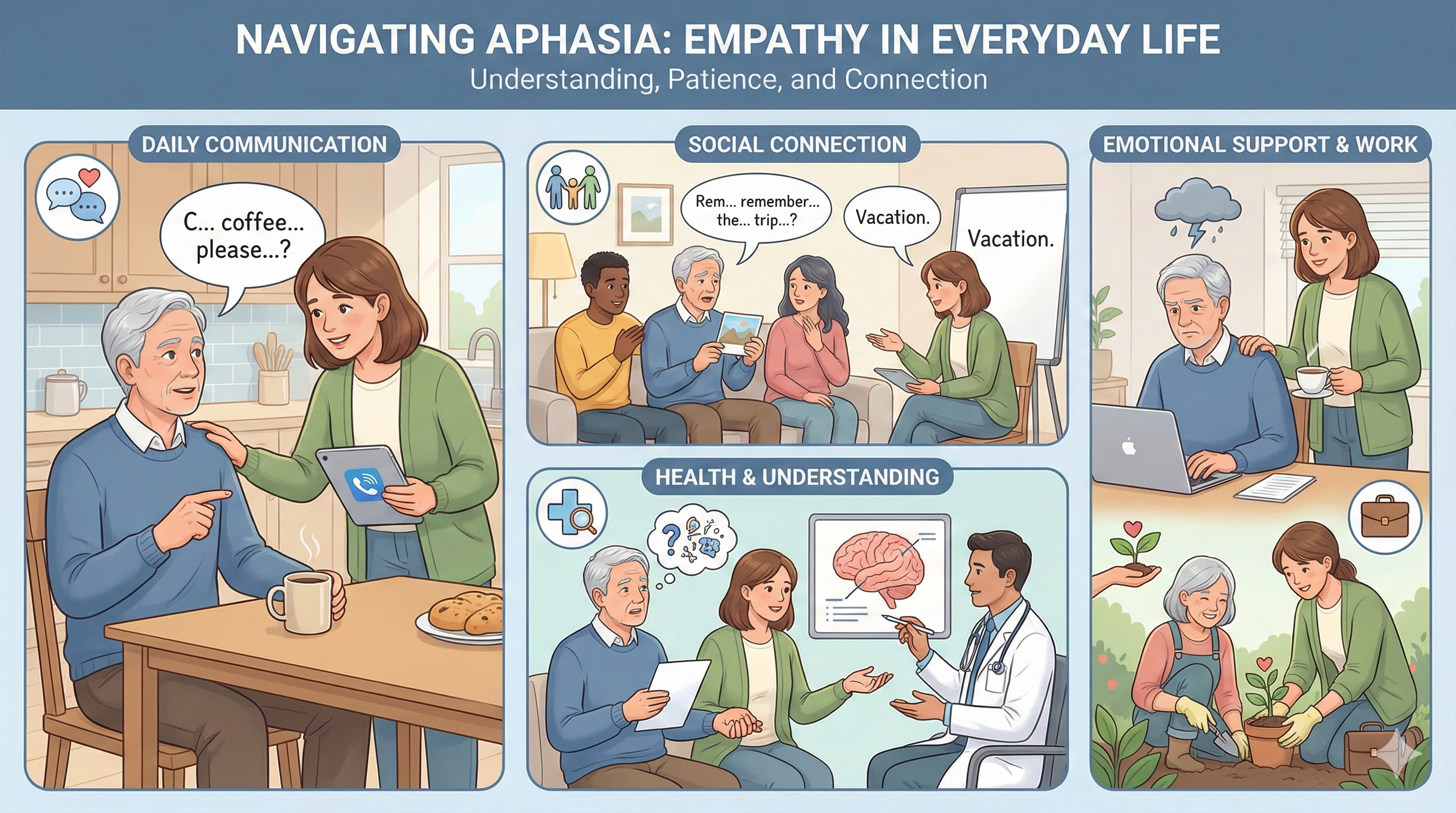
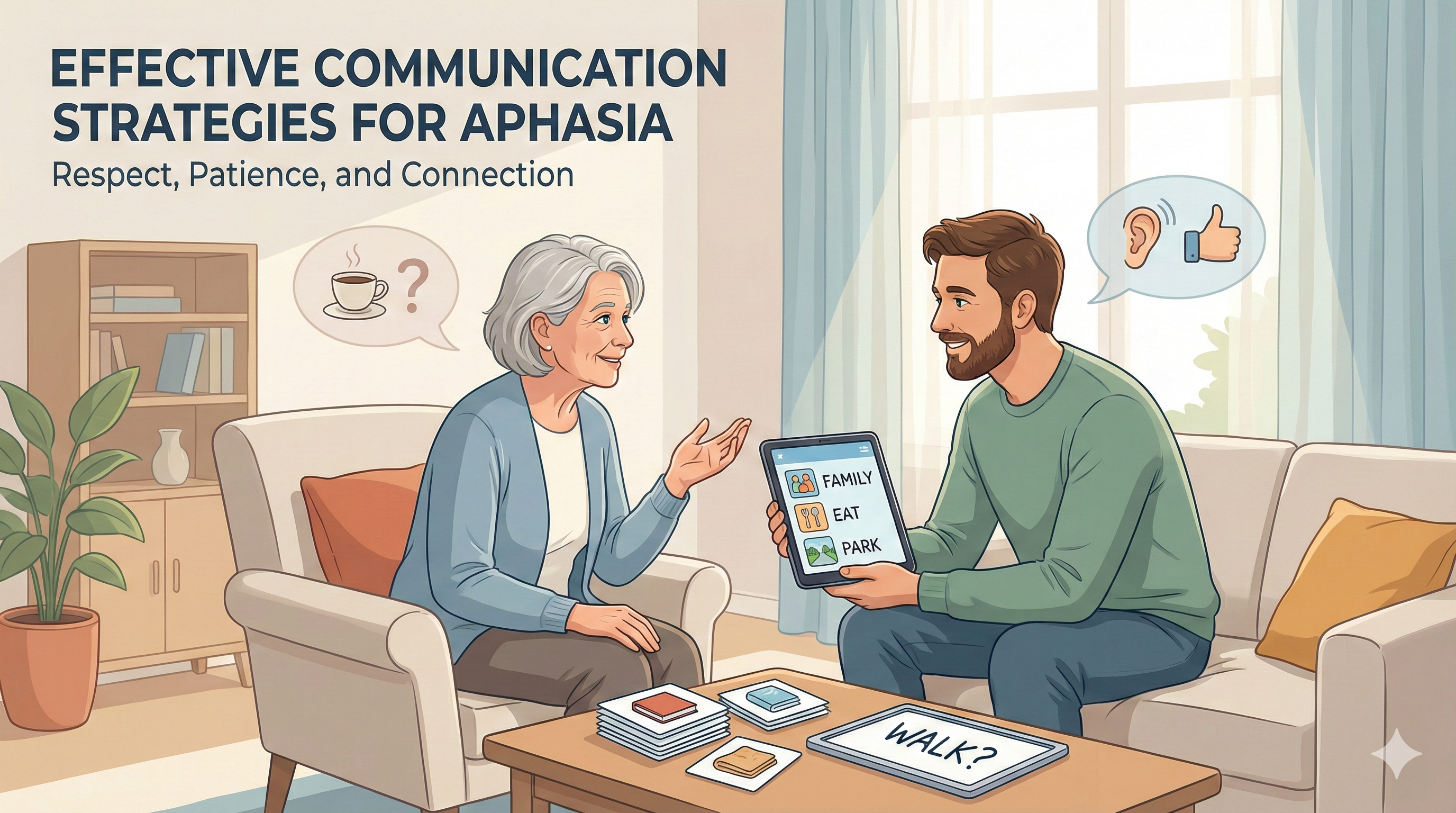
Effective communication is still possible. Here are strategies for individuals with aphasia and their communication partners:
For the Person with Aphasia:
- Use gestures, pointing, drawing, or writing.
- Utilize communication aids (e.g., picture boards, apps).
- Carry an identification card explaining aphasia.
- Don't be afraid to take your time.
For Family, Friends, and Caregivers:
- Create a quiet, distraction-free environment.
- Speak slowly and clearly, using simple sentences.
- Allow ample time for the person to respond.
- Use yes/no questions when appropriate.
- Confirm that you understand what they are trying to say.
- Supplement spoken language with gestures, writing, or pictures.
- Be patient, supportive, and encouraging.
- Include the person in conversations and decision-making.
The Role of Speech and Language Therapy (SLT)
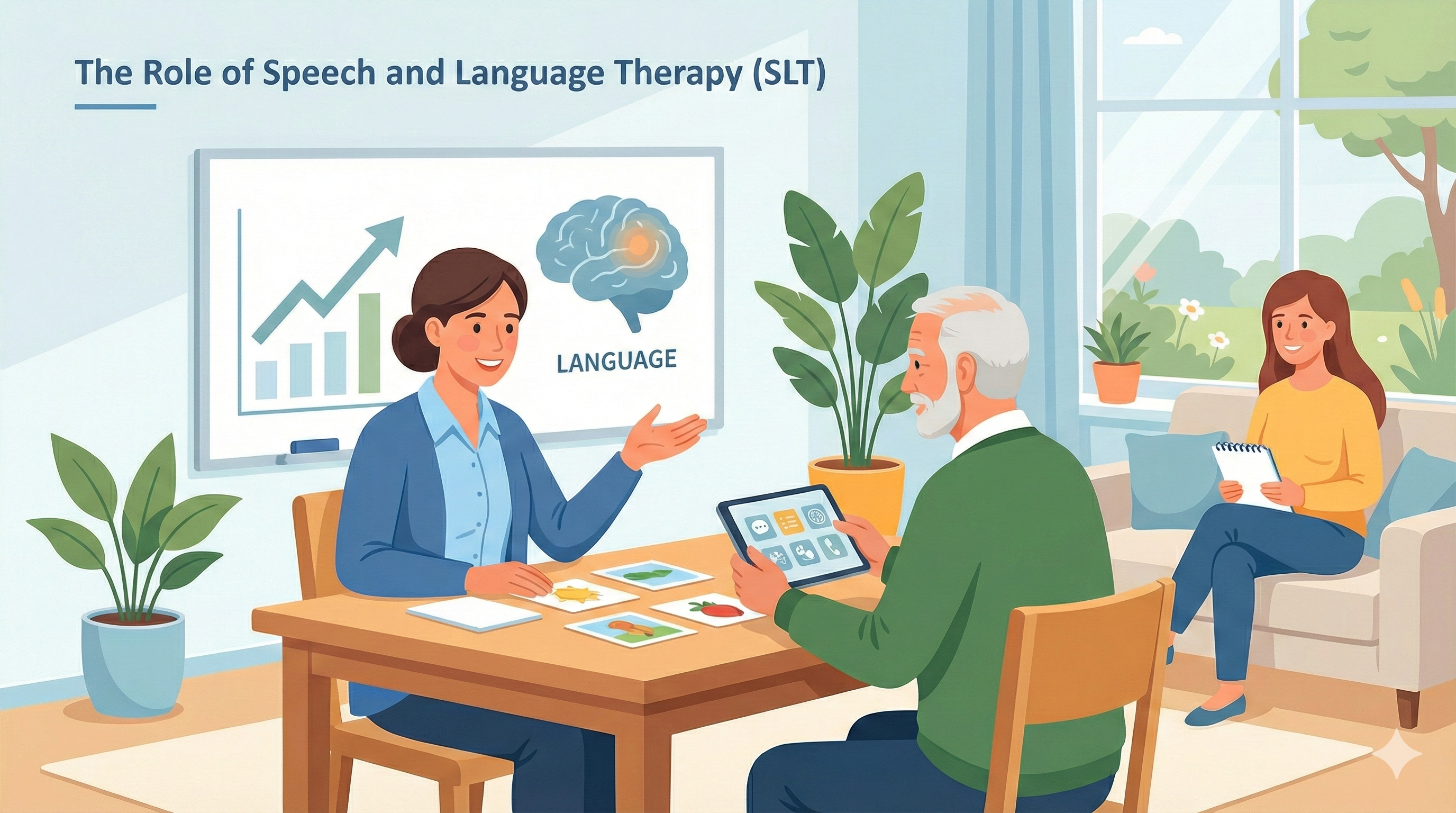
Speech and Language Therapists (SLTs) are key professionals in helping individuals with aphasia. SLT can help to:
- Assess the type and severity of aphasia.
- Develop an individualized therapy plan.
- Improve language skills (speaking, understanding, reading, writing).
- Teach strategies to compensate for language difficulties.
- Explore and train in the use of augmentative and alternative communication (AAC) methods if needed.
- Involve family members and caregivers in the therapy process to create a supportive communication environment.
Early and consistent therapy often leads to better outcomes, but improvement is possible even years after a stroke.
Support & Resources
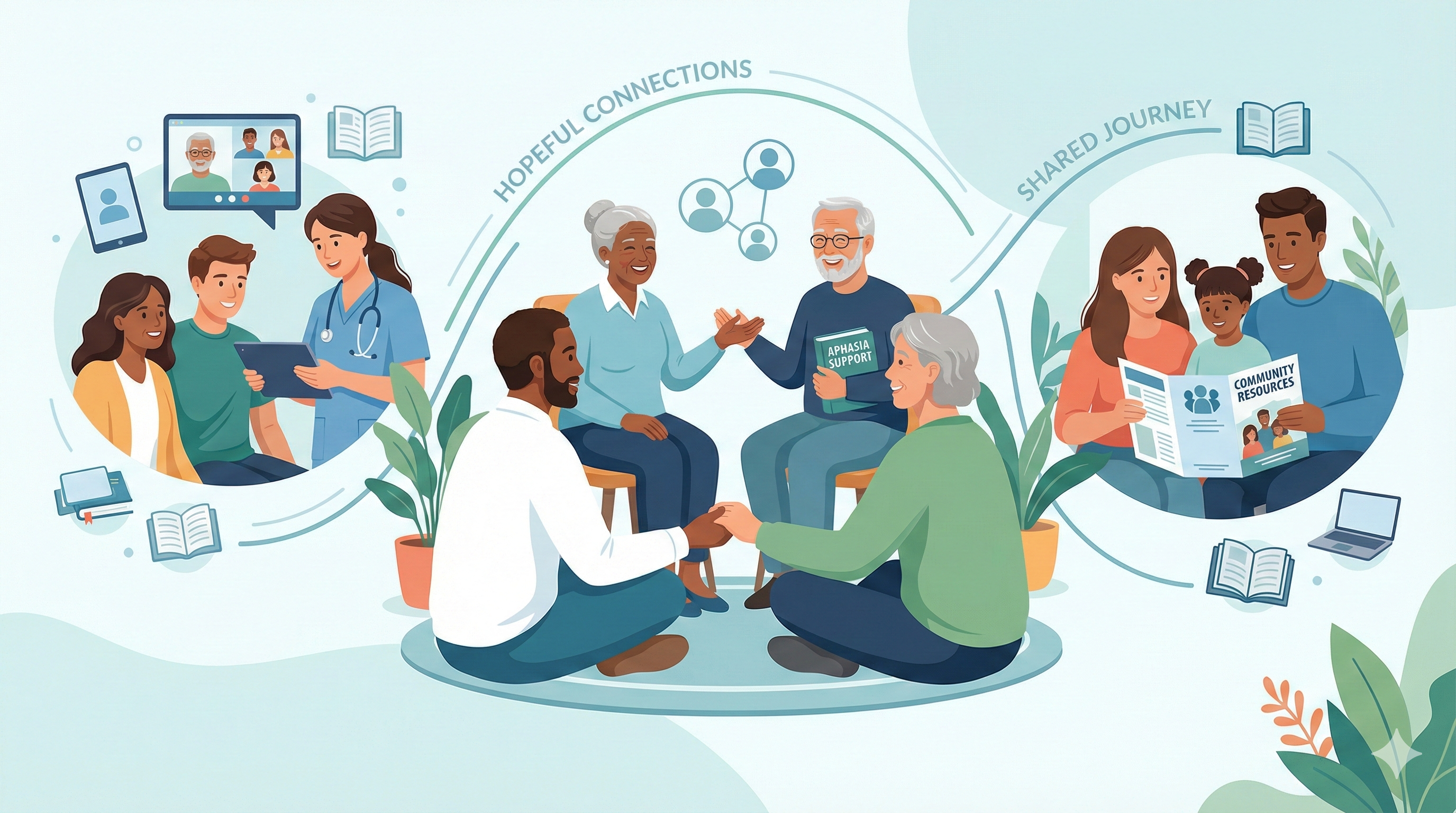
Living with aphasia can be challenging, but support is available:
- Support Groups: Connecting with others who have aphasia and their families can provide emotional support, shared experiences, and practical advice.
- Educational Materials: Our society and other organizations offer resources to help understand and manage aphasia.
- Online Communities: Virtual groups can offer connection and information. (See our Community Forum page).
Remember, recovery is a journey, and progress can be made with time, effort, and the right support. Stroke and Education Society is committed to raising awareness about aphasia and supporting those affected.
Conclusion
Aphasia is a significant challenge that many stroke survivors face, but it does not define them. With understanding, appropriate therapy, effective communication strategies, and strong support systems, individuals with aphasia can continue to lead fulfilling lives. Hope, patience, and perseverance are key elements in the journey of recovery and adaptation.